
Water is one of the simplest pizza dough ingredients, but it’s also one of the most important. The amount of water used in dough, often referred to as hydration, plays a major role in how pizza looks, feels, and tastes once it comes out of the oven. From chewiness to crispness, hydration quietly shapes the entire pizza experience.
This guide explains why water matters in pizza dough, how hydration affects texture, and why finding the right balance is especially important for New York–style pizza.
Why Water Matters in Pizza Dough
Water isn’t just there to bring ingredients together. It’s a structural ingredient that activates and connects everything else in the dough.
Here’s what water does:
Activates flour, allowing gluten to form
Wakes up yeast, helping dough rise and develop flavor
Controls texture, from soft and airy to firm and crisp
Without the right amount of water, even high-quality flour and yeast can’t perform properly. That’s why professional pizzerias treat hydration as a key variable—not an afterthought.
For a broader look at how all dough ingredients work together, visit our Pizza Dough Ingredients hub.
What Is Dough Hydration?
In simple terms, dough hydration describes how much water is used relative to flour. While bakers often measure this precisely, customers don’t need the math to understand the concept.
Think of hydration in three general ranges:
Lower hydration → firmer dough, crisper bite
Medium hydration → balanced texture and chew
Higher hydration → softer, airier dough with larger bubbles
Pizzerias carefully control hydration because small changes can dramatically affect how dough handles, bakes, and eats. The goal isn’t “more water is better”, it’s the right amount for the style of pizza being made.
How Water Affects Pizza Dough Texture
Hydration directly influences what you notice when you take a bite.
More water in the dough tends to produce a softer interior with a lighter, more open crumb. This can create a tender chew but requires skill to bake properly.
Less water in the dough results in a firmer structure and crisper crust, but too little can make pizza dense or dry.
The key is balance. Great pizza dough should feel:
Light but structured
Chewy without being tough
Crisp on the outside without cracking
This balance is especially important for styles where texture defines the experience.
Water and New York–Style Pizza Dough
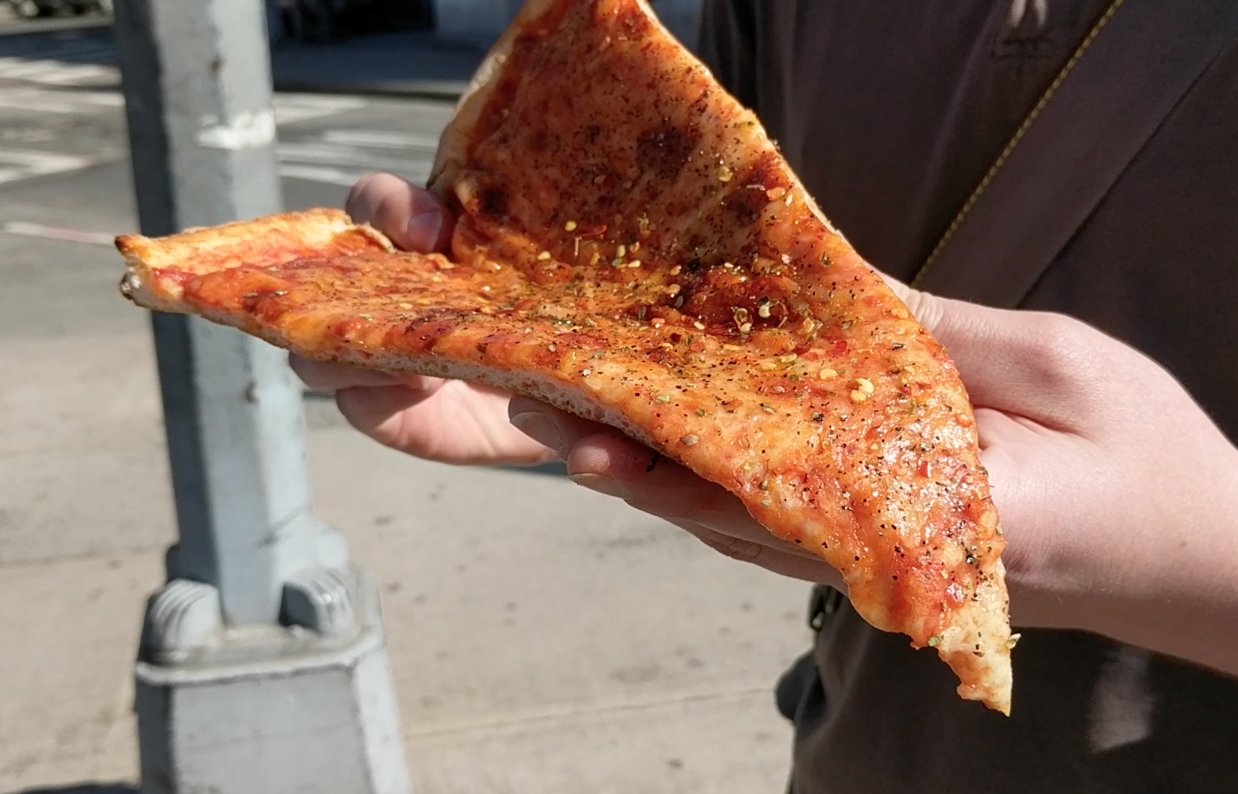
New York style pizza is known for its foldable slices, chewy interior, and lightly crisp crust. Achieving that signature bite depends heavily on medium-level hydration.
With the right water balance, New York style dough delivers:
A soft, elastic interior
Enough structure to support toppings
A crust that crisps without becoming brittle
Too much water can make slices floppy or soggy. Too little can make them stiff and cracker like. That’s why hydration is dialed in carefully for this style.
Learn more about the style itself on our New York Style Pizza page.
Water vs Other Dough Ingredients
Water doesn’t work alone, it interacts with every other dough ingredient. Understanding these relationships helps explain why dough quality feels so consistent at experienced pizzerias.
Flour: Different flours absorb water differently, affecting chew and strength.
→ Learn more at Pizza Flour TypesYeast: Water activates yeast, allowing fermentation to begin.
→ Explore this process at Yeast for Pizza DoughSalt: Regulates fermentation and strengthens dough structure.
Olive oil: Adds tenderness and smoothness, subtly influencing how hydration feels in the final bite.
Each ingredient adjusts how water behaves in the dough, which is why professional kitchens focus on consistency across the entire system.
Does Water Quality Matter?
Customers often wonder whether special or filtered water makes better pizza. The short answer: clean, neutral-tasting water matters more than complexity.
What pizzerias look for:
No strong odors or flavors
Reliable consistency day to day
Water that won’t interfere with fermentation
Rather than chasing extreme purity, professional pizza kitchens focus on standardizing water quality so dough behaves the same way every time. Consistency is what allows pizza to taste great slice after slice.
How Proper Hydration Improves Pizza Quality
When hydration is dialed in correctly, the difference is noticeable, even if you don’t know why.
Proper hydration leads to:
Better oven spring (how dough rises during baking)
Improved texture and chew
A more satisfying balance between crust and interior
Slices that hold toppings without feeling heavy
These details are what separate average pizza from pizza that feels thoughtfully made.
Water as the Foundation of Great Pizza Dough
Water may be invisible once pizza is baked, but its impact is undeniable. It’s one of the reasons great pizza stands out, even when the ingredient list looks simple.
By understanding hydration and how it affects texture, you can better appreciate why well-made pizza feels different from the first bite to the last.
If you’re ready to experience that difference for yourself, explore our pizzas and see how careful ingredient balance comes together on every pie:
👉 View Our Menu